Review: Mothers Day T-shirt Design, Dog Mom. SVG
As a designer who spends more time staring at stitch simulations than actual fabric, I have learned that not every cute graphic translates well to the needle. When I first pulled up the Mothers Day T-shirt Design, Dog Mom. SVG, my initial reaction was one of cautious optimism. The "Dog Mom" niche is saturated, yet it remains incredibly lucrative for Etsy sellers and boutique owners because the emotional connection is immediate. However, converting a vector graphic into a tangible embroidery project requires a critical eye for detail, density, and flow.
This review comes from the perspective of someone preparing a real-world batch of custom gifts. I was tasked with creating a line of personalized items for a local pet rescue fundraiser. The goal was to produce high-quality, durable merchandise that would appeal to devoted pet owners. I selected this specific design because of its clean lines and thematic relevance, but I needed to verify if it could withstand the rigors of machine embroidery without losing its charm.
First Impressions and Visual Personality
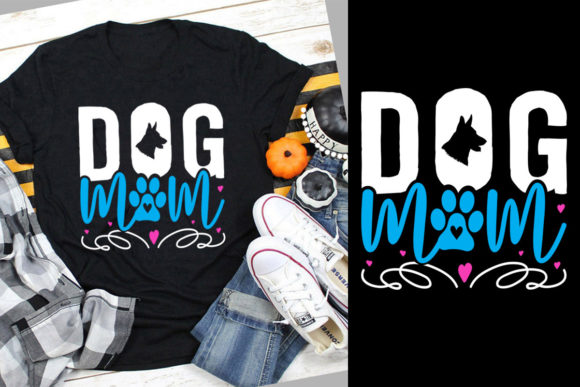
The mood of this design is warm, playful, and affectionate. It captures the specific pride of dog ownership without being overly cluttered. For an embroidery designer, the layout is the first thing we scrutinize. Does the text balance with the iconography? In this case, the composition feels intentional. The typography appears sturdy enough to hold up as a satin stitch or a dense fill stitch, which is crucial for legibility. Delicate, thin fonts often disappear into the fabric texture or break under tension, but this design seems to prioritize readability.
The visual personality suggests versatility. It does not scream "cheap souvenir." Instead, it has the aesthetic of a thoughtful personalized gift. This distinction is vital for craft business owners who rely on perceived value. A design that looks professional in a printable mockup must also look professional when stitched out. The simplicity of the graphic allows the thread quality and fabric choice to shine, rather than hiding behind excessive complexity.
Real-World Application: From Screen to Stitch
To test the viability of this machine embroidery design, I imagined it applied to several common products. The most obvious candidate is the classic cotton t-shirt. Here, the design works well as a chest-left logo or a larger center-chest statement. However, my preferred application for this specific artwork is a canvas tote bag design. The heavier weight of canvas supports the stitch density better than thin jersey knits, resulting in a crisp, raised texture that customers love to touch.
I also considered this for sweatshirt embroidery. On fleece or French terry, the design needs to be digitized with care to avoid sinking into the pile. If you are using this as a raw SVG to convert yourself, you must account for the fabric loft. If you are purchasing a pre-digitized embroidery file, check the recommended fabric types. Another excellent use case is an embroidered patch. Patches allow you to stabilize the design perfectly on stiff backing, ensuring that every curve of the dog illustration and every letter of the text remains sharp. This makes the final product ideal for resale at craft fairs or as add-on items in an online shop.
For those venturing into baby embroidery, proceed with caution. While the theme is sweet, ensure the design does not contain small, detachable parts if used on infant clothing, and always use soft, skin-safe threads. The durability of the stitch-out is paramount here, as baby items undergo frequent washing.
Navigating Technical Challenges
No design is perfect for every scenario. There are specific situations where you should use the Mothers Day T-shirt Design, Dog Mom. SVG carefully. First, consider the hoop size. If you are working with a small 4x4 hoop, you may need to scale the design down. Be wary of scaling too much, as tiny details can become indistinguishable blobs of thread. Always check the minimum recommended size provided by the digitizer.
Textured fabrics present another challenge. On waffle knits or heavy towels, a simple running stitch outline might get lost. You may need to increase the stitch count or add a underlay to create a smooth foundation. Similarly, stretchy fabrics like spandex blends require robust stabilization. Without a proper cut-away stabilizer, the design will pucker, distorting the dog’s shape and warping the text.
Dense stitch areas are another point of concern. If the design features solid black fills, it can create a stiff patch on the garment. For custom apparel meant for all-day wear, consider breaking up large fill areas with lighter densities or using applique techniques if the file supports it. This reduces bulk and keeps the garment comfortable. Also, be mindful of curved surfaces like caps. Embroidering on a cap requires specialized digitizing to account for the curvature; a flat design intended for a t-shirt may look distorted on a hat unless adjusted.
Enhancing Brand Value and Customer Trust
Using high-quality design assets directly impacts your brand consistency. When a customer receives a finished product that is neatly stitched, with no loose threads or misaligned colors, their trust in your small shop product increases. This design, when executed well, contributes to that perception of professionalism. It shows that you care about the details, from the choice of thread colors to the precision of the trim.
For commercial embroidery projects, consistency is key. If you are producing fifty units for a client, this design’s clear lines make it easier to replicate accurately across multiple machines. It minimizes the risk of user error during setup. Furthermore, the emotional resonance of the "Dog Mom" theme drives buyer engagement. People do not just buy a shirt; they buy an identity. A well-executed embroidery reinforces that identity, making the item a cherished possession rather than just another piece of clothing.
Practical Notes for the Embroidery Designer
Before you commit to production, follow these practical steps. First, always test the design on scrap fabric that matches your final material. Check the stitch density and adjust tension if necessary. Review the color contrast; if you are stitching on dark fabric, ensure your thread choices pop, or consider using a lighter underlay. Test the design in black and white mockups to verify that the shapes are distinct without relying on color cues.
Confirm the licensing terms. Since this is listed under Print Templates and Graphics, ensure you have the right to use it for commercial sales if you plan to sell the finished items. Some licenses allow personal use only, while others permit unlimited commercial production. Clarify this before listing your Holiday embroidery or Mother’s Day specials. Finally, inspect the small details. Zoom in on the digital file. Are there overlapping stitches that could cause thread breaks? Is the text kerning appropriate for embroidery? Addressing these issues in the digital phase saves hours of frustration in the sewing room.
In conclusion, the Mothers Day T-shirt Design, Dog Mom. SVG is a strong contender for spring and holiday collections. It balances trendiness with timeless appeal. By respecting the technical limitations of embroidery and choosing the right applications, you can transform this digital graphic into a high-value handmade product that resonates with customers and elevates your brand.